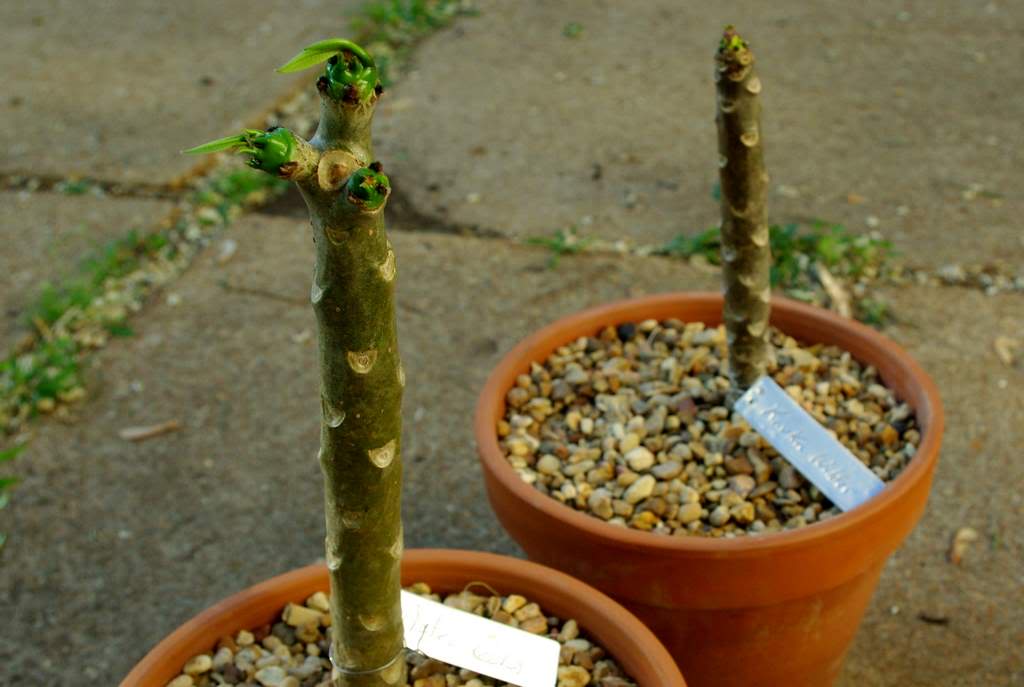
When I was a little girl, my mother was gifted a “start” from a plumeria plant. It was only a stubby little brown stem about four inches long, but from that small piece of plumeria grew a lush, fragrant forest that moved from place to place with my mom over the course of her life.
From that first small stem, a blossom-filled tree grew over eight feet tall. Occasionally, when my mom had to move the plant, a small piece would break off, and she would take it, stick it in a new pot and another plumeria would begin to grow. She did this many times and, in this way, created her plumeria forest. It seemed magical the way the stems quickly took root and began to put forth new leaves and fragrant blooms.
I have been thinking about the importance of Truth in the arts and the plumeria works as a good analogy:
The Plumeria Principle for Art
The Plumeria Principle explains the way Truth works in art.[1]
The Truth is like a plumeria stem, and the art form is like a pot of dirt. Stick Truth into literature, painting, sculpture, film, or any other creative media, and the entire project will flourish. To the extent that an artist incorporates Truth into artwork in a way that aligns with God-given reality, the work will be meaningful and its impact long lasting.
Classic literature demonstrates the principle.
Having homeschooled my kids for over two decades, I still receive curriculum catalogs by mail. Products come and go, but there is one constant set of wonderful books in the catalogs, year after year. This is because the books include timeless human experiences and moral truths that do not change over time. Themes such as the battle between good and evil, friendship, hope, and redemption come from the Bible and make books like The Chronicles of Narnia and The Lord of the Rings relatable across time. There is so much Truth planted in those books that they are forever relevant and meaningful.
An important caveat to this principle is that the Truth does not need to be stated explicitly or put into the form of a gospel tract. This is the error of trying to hit people over the head with biblical messages and it has led to a sour reception of Christian art, film in particular, by Christians and non-Christians alike. It comes across as artificial because Truth does not come at us in tract form; it comes at us through real life.
The plumeria is a living thing and so is Truth. God’s word is living and active (Heb. 4:12). Therefore, The Plumeria Principle is simple. When artists stick Truth into their work, it takes root and grows, making the work more than it was before: more meaningful and more impactful long-term.

[1] By Truth (capital T) I mean the Bible’s description of the way the world works, including the moral framework given in the law of God.